

Sharjah drone law explained: New rules reshape aerial operations across the emirate
Permits, airspace mapping and pilot licensing central align with international aviation standards
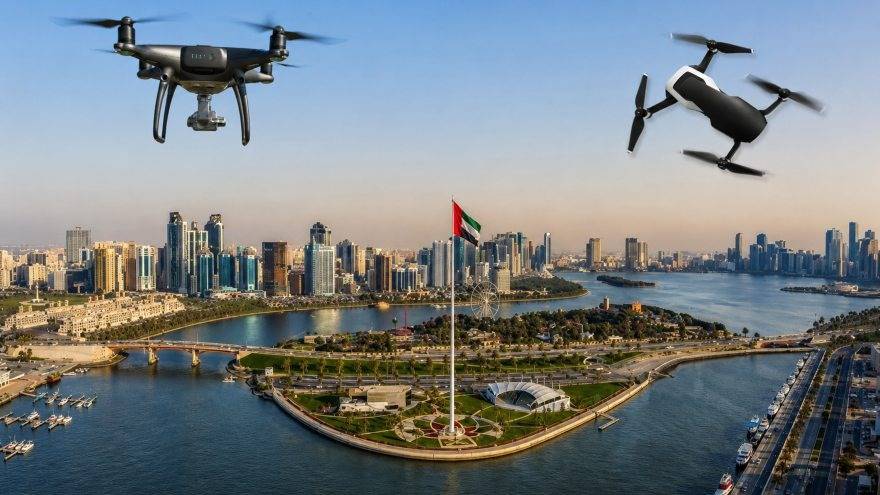
SHARJAH – The emirate of Sharjah has introduced a sweeping legal framework to regulate the rapidly expanding drone sector, marking a significant step in the governance of unmanned aerial systems across its airspace.
The law has been issued by His Highness Sheikh Dr Sultan bin Mohammed Al Qasimi, Supreme Council Member and Ruler of Sharjah, as part of broader efforts to strengthen aviation safety and operational oversight. It establishes clear rules for the use, registration, and supervision of drones across all areas of the emirate, including free zones and special development zones. The legislation also sets out responsibilities for operators across both public and private sectors, ensuring unified compliance under a single regulatory structure.
The framework is designed not only to manage risks but also to support innovation, enabling structured growth of drone-based services across multiple industries.
Sharjah drone law
The law applies to all types of drones, regardless of their control systems or intended applications. It covers operations throughout the Emirate of Sharjah, extending to free zones and special development zones without exception. It also applies to individuals, government bodies, and private entities operating or using drones within the emirate’s airspace.
However, drones used for military or security purposes are exempt, along with any other categories that may be excluded through a decision by the Chairman of the Sharjah Department of Civil Aviation. Such exemptions are permitted only when deemed necessary in the public interest or due to the specific nature of operations.
سلطان القاسمي يصدر قانوناً بشأن تنظيم قطاع الطائرات بدون طيار في إمارة الشارقةhttps://t.co/C2xtXqHnur pic.twitter.com/y3BJLM92Gv
— sharjahmedia (@sharjahmedia) June 22, 2026
The law is intended to ensure safe and efficient use of Sharjah’s airspace, reduce operational risks, and align drone activity with internationally recognised aviation standards. It also establishes a foundation for defining accountability among all stakeholders involved in drone operations.
Regulation
At the core of the framework is the regulatory role of the Sharjah Department of Civil Aviation, working in coordination with the General Civil Aviation Authority (GCAA). This authority is responsible for issuing permits, approvals, and certificates required for drone operations within the emirate. It also oversees licensing for independent safety assessors and conducts inspections to ensure compliance with established standards.
A key feature of the system is the designation of airspace structures. The department will define approved flight corridors, as well as authorised, restricted, and prohibited zones for drone activity. It will also prepare a dedicated drone information map to guide operators and ensure transparency in airspace usage.
In addition, the authority is tasked with approving landing sites, including their design, engineering specifications, and associated infrastructure. It also holds responsibility for implementing safety, security, and environmental systems linked to drone operations. This includes risk assessment mechanisms and operational safeguards aligned with international best practices.
The framework further includes provisions for training and qualification, establishing standards for licensing drone pilots, controllers, and crew members. These standards will vary depending on drone type and control systems, ensuring technical competency across all operational categories.
Permits
The law introduces a strict requirement for prior approval from the Sharjah Department of Civil Aviation before any drone operation can take place. This applies across multiple categories, including government services, commercial use, scientific research, recreational flying, hobbies, and aerial sports. Any additional activity categories may also be added through decisions issued by the Chairman of the department.
Drone owners are required to register their aircraft either with the Sharjah Department of Civil Aviation or the General Civil Aviation Authority before beginning operations. Registration must follow approved technical and regulatory procedures, ensuring each drone is properly documented within the system.
In addition, all drones must be clearly marked with registration numbers or identification codes. This requirement is mandatory to distinguish authorised aircraft from unregistered or non-compliant devices. The identification system may also include alternative marking methods as defined by the regulatory authorities.
The law also governs wider aspects of drone activity, including design, manufacturing, import, sale, and ownership. It extends to operational testing, control systems, and the management of drone-related infrastructure, ensuring a comprehensive lifecycle approach to regulation.
Enforcement
Enforcement responsibilities are shared between the Sharjah Department of Civil Aviation and Sharjah Police. The police force, in coordination with the aviation department, is tasked with addressing offences arising from drone use. It also implements security and preventive measures to protect individuals, property, and critical infrastructure from potential risks associated with drone operations.
The regulatory framework empowers authorities to supervise ongoing activities and conduct regular inspections of approved operators. Compliance monitoring is a continuous requirement, ensuring that all licensed users adhere to operational standards and safety guidelines.
Beyond enforcement, the law also encourages research and innovation in drone traffic management and its integration with traditional air navigation systems. It supports initiatives that promote technology localisation and the development of start-ups in the sector, with the aim of positioning Sharjah as a regional hub for drone-related industries.
The system further enables coordination between government entities to strengthen oversight mechanisms and refine operational procedures as drone usage expands across different sectors of the emirate’s economy and public services.